

After you’ve set the hook, most fish will do their best to get free. Often, this will involve swimming around obstacles or swimming against the line, making a long run, or jumping. Every species of fish tends to react differently. A fish that gets hooked in shallow water will be more likely to behave and jump more frantically compared to fish that are hooked in deep water because these fish usually seek the bottom. If you’re new to angling and don’t know how to reel a fish, my tips and tricks will have you reeling in every catch like a pro in no time.
Learning how to reel in fish the right way is simple:
- Try to relax
- Allow the rod and drag to handle all the work
- When the drag has stopped moving get ready to reel in your catch
- As the fish slows down and stops taking line off the reel start reeling it in
- The rod should be tipped at a ninety-degree angle
- Lower the rod slowly as you reel in the fish
- Repeat this process until you’ve caught the fish in your net
Table of Contents
Bringing in a Fish the Right Way
Reeling can be tricky, regardless of the size of fish you’re dealing with. However, it’s those larger fish that will keep you on your toes. In fact, some of these fish can put up a serious fight and cause plenty of stress and damage as they struggle to break free.
The bigger species of fish will pull much harder compared to a small fish. Because of this, bigger fish are often more of a challenge, even for anglers with experience. So, how do you know if you’ve caught a big fish? The first indication that you’ve got a big bite on the line is the sound the reel will make once it has begun to spin in reverse. This is the time that you’ll need to focus on your reeling techniques while trying not to panic.
If you’re not sure what to do in this situation, first, remember to relax. Allow the rod and drag to do the work. The fishing rod should be held at a forty-five-degree angle, aimed toward the fish. Once the drag stops moving you should be ready to start reeling in your catch, just keep your eye on the activity in the water.
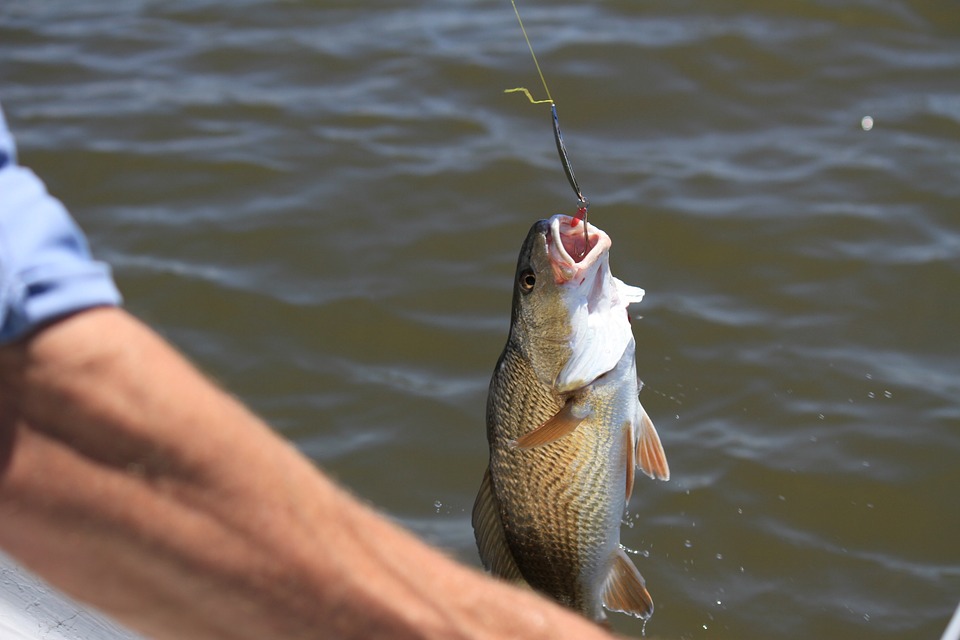
As the fish starts to slow down and is no longer taking more line off the reel, you’ll jump in and get started.
First, lift the tip of the rod, without reeling in the fish. Do so like you’re attempting to point the rod toward the sky using a ninety-degree angle. A heavier, or much stronger fish will usually put a lot of bend in the rod, so if this happens, try not to worry. Start reeling in the fish as you slowly lower the tip of the rod down to a forty-five degree angle. Be sure to keep pressure on the fish. This process should be repeated until you have the fish in the net. And that’s it!
Reeling Techniques the Pros Use
Fighting a fish can be a fun challenge for some anglers, while others would rather avoid having to drag in a fish that won’t give up the fight. Depending on where you’re fishing, you may have to adjust how you fight a fish. As an example, it will be important to get a fish out of the snag in the beginning, if you’re flipping heavy laydowns. When doing so, you’ll need to apply a lot of pressure initially in order to get the fish into open water. In an open water situation, since there’s nothing to break off, you can allow the drag to tire out the fish before bringing it in.
Dip nets are a must. Any pro will tell you that you can land more fish using a dip net than you can without one. These nets also help to prevent any damage to your hands or gear when you’re trying to reel in a bigger fish. Damage can often occur because the treble hooks from a large fish usually end up in uncomfortable places.
Practice Patience
Make sure you always take your time and get a good hook set instead of jumping at the first sign of a bite. You need to learn how to feel for a bite using the rod tip. If you detect a bite, be sure you’re in the right position before you bring the hook home.
Related Questions
What’s the Biggest Newbie Mistake to Avoid?
Jerking while fighting a big fish is probably the most common mistake a new angler will make. A slack line is the biggest enemy while fighting a fish. A single moment of slack will cause a fish that’s poorly hooked to pop right off. When you start jerking, you’re basically giving up a moment of slack when you begin reeling again. Apply some steady pressure instead and avoid giving any slack at all costs.
What Type of Fish Finder is a Good Option for Beginners?
I recommend the Garmin Striker 4 fish finder. It’s easily one of the best fish finders for beginners. It features intuitive controls, a large display, and the type of accuracy a new angler needs out on the water. It also comes loaded with some great features that even seasoned anglers will appreciate. Overall, it’s a great buy for the price and a device you can depend on for both inland and ocean angling. If you’re looking for a model that’s feature packed, go for the Humminbird HELIX 7 G3 fish finder. While it’s not quite as beginner-friendly as the Garmin, it comes loaded with some great features, and a top of the line transducer. If you’d like to learn more about this model, click here to read my article on how to read a Humminbird fish finder.
Final Thoughts
Now that you know how to reel a fish, what techniques to use and which ones to avoid, start off by practicing in calmer waters where you’ll work with smaller species of fish. Follow these steps carefully and remember to be patient, don’t jump at the first sign of a bite, and relax as you reel in your catch. You may not get this technique down with your first few tries, especially if you end up hooking a bigger fish, but after a couple of successful reels, this technique will feel like second nature.

Recent Comments